
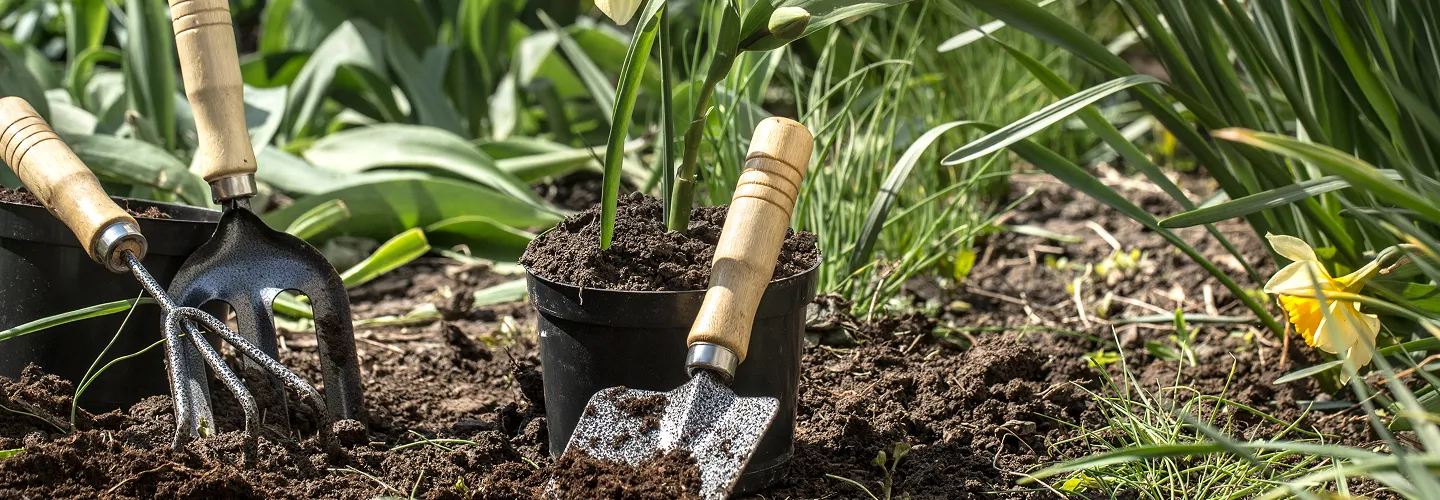
Tolleson Hydroseeding Services
Choose our Hydroseeding for a cost-effective, eco-friendly solution that delivers thick, healthy grass quickly—perfect for transforming your landscape with minimal hassle and maximum results.
Get a Free QuoteOur Tolleson Landscaping & Yard Care Services
When to Schedule Hydroseeding in Tolleson, Arizona – Seasonal Guide
Hydroseeding in Tolleson, Arizona, is most effective when timed with the region’s unique climate and landscape conditions. The ideal window typically falls between late February and early April, or again in late September through October, when daytime temperatures are moderate and the risk of frost has passed. These periods allow for optimal seed germination and establishment before the intense summer heat or winter chill sets in. Neighborhoods near Tolleson’s Estrella Mountain Regional Park or along Lower Buckeye Road often experience microclimates—such as increased shade from mature trees or varying soil compositions—that can influence the best timing for hydroseeding.
Local environmental factors play a significant role in scheduling. For example, Tolleson’s clay-heavy soils retain moisture differently than sandy areas, and properties near the Agua Fria River may have higher humidity and shade coverage. It’s also important to consider municipal watering restrictions, which can impact post-seeding irrigation schedules. For more information on local guidelines and best practices, visit the Sudbury municipal resource.
Local Factors to Consider for Hydroseeding in Tolleson
- Tree density and shade coverage, especially in established neighborhoods like Country Place
- Soil type (clay, loam, or sandy soils)
- Proximity to water sources such as the Agua Fria River
- Seasonal precipitation patterns and drought risk
- Terrain slope and drainage characteristics
- Municipal watering restrictions and local ordinances
Benefits of Hydroseeding in Tolleson
Fast Lawn Establishment
Cost-Effective Landscaping Solution
Erosion Control for Sloped Areas
Uniform Grass Coverage
Eco-Friendly Seeding Method
Custom Seed Blends Available
Tolleson Hydroseeding Types

Erosion Control Hydroseeding
-
Residential Lawn Hydroseeding
-
Commercial Landscape Hydroseeding
-
Wildflower Hydroseeding
-
Native Grass Hydroseeding
-
Sports Field Hydroseeding
-
Slope Stabilization Hydroseeding
Our Hydroseeding Process
Site Preparation
Soil Conditioning
Hydroseed Application
Watering and Maintenance
Growth Monitoring
Why Choose Tolleson Landscape Services
-
Tolleson Homeowners Trust Us
-
Expert Lawn Maintenance
-
Reliable Scheduling
-
Competitive Pricing
-
Professional Team
-
Satisfaction Guarantee
-
Personalized Service
Coordinating Hydroseeding Projects with Tolleson's Engineering and Development Departments
Hydroseeding in Tolleson requires coordination with municipal departments that oversee grading, drainage, and site development. Because hydroseeding involves applying a slurry of seed, mulch, tackifier, and fertilizer to prepared soil surfaces, the city's engineering and development review processes may apply—particularly when projects involve slope stabilization, drainage corridor adjacency, or new subdivision landscaping. Property owners and managers should confirm whether site grading or land disturbance associated with hydroseeding triggers review through the city's development services intake process.
- Verify whether grading or earthwork preceding hydroseeding requires a permit through Tolleson's permitting office
- Coordinate with engineering staff when hydroseeding near retention basins, drainage channels, or public rights-of-way
- Confirm that post-construction stormwater obligations are addressed before applying hydroseed slurry on disturbed land
Tolleson Engineering & Planning
Official Website: Tolleson Engineering & Planning
Tolleson Development Services
Official Website: Tolleson Development Services
How Tolleson's Low-Desert Heat and Alkaline Soils Affect Hydroseeding Establishment
Tolleson sits within the Phoenix metropolitan low desert, classified in USDA Hardiness Zone 9b–10a, where summer surface temperatures routinely exceed 110°F and soils are predominantly alkaline. These conditions directly influence hydroseeding success. The area's soils frequently contain caliche layers, compacted subdivision fill, and alkaline sandy loam with pH levels commonly above 8.0, all of which impede root penetration and moisture retention. Monsoon storms from July through September deliver intense, short-duration rainfall that can wash away freshly applied hydroseed slurry if erosion-control measures are inadequate.
- Soil alkalinity reduces nutrient availability for germinating seed, often requiring soil amendments or pH-adjusted fertilizer blends in the hydroseed mix
- Caliche and compacted fill may need mechanical scarification before slurry application to allow root establishment
- Reflected heat from block walls, concrete, and asphalt accelerates surface drying, demanding more frequent irrigation cycles during germination
- Monsoon runoff can erode unseeded or freshly seeded slopes, carrying sediment into washes and storm-drain inlets
The University of Arizona Cooperative Extension provides region-specific guidance on turf species suited to low-elevation Arizona, including bermudagrass varieties commonly used in hydroseeding applications.
Stormwater Compliance and Erosion-Control Regulations for Hydroseeding in Tolleson
Hydroseeding is frequently employed as a best management practice (BMP) for erosion control on construction sites and disturbed land. In Tolleson, the city's Storm Water Pollution Prevention Program addresses regulatory compliance under the Arizona DEQ Phase II MS4 program, which requires municipalities to control pollutant discharge into the municipal separate storm sewer system. Property owners undertaking hydroseeding on sites with active stormwater permits should ensure that slurry application does not introduce sediment, fertilizer, or chemical runoff into drainage infrastructure.
- Hydroseeding contractors working on sites exceeding one acre of disturbance may need coverage under an Arizona DEQ Construction General Permit, which requires a Stormwater Pollution Prevention Plan (SWPPP)
- Fertilizer and tackifier components in hydroseed slurry must be managed to prevent discharge into washes, retention basins, and curb inlets
- Tolleson's code enforcement division monitors property maintenance standards, including erosion and bare-soil conditions that may affect neighboring parcels
Tolleson Storm Water Pollution Prevention Program
Official Website: Tolleson Storm Water Pollution Prevention Program
Applicators using pesticide-treated seed or post-emergent herbicides in conjunction with hydroseeding must hold appropriate credentials under Arizona Department of Agriculture licensing requirements. The Arizona Department of Agriculture noxious weed program also requires that seed mixes used in hydroseeding do not introduce prohibited weed species.
Timing Hydroseeding Around Tolleson's Monsoon Season and Extreme Summer Heat
Professional hydroseeding in the low desert follows narrow establishment windows dictated by temperature and precipitation patterns. The Turfgrass Maintenance Guide for Low Elevation Arizona identifies bermudagrass as the primary warm-season turf for this region, with optimal germination occurring when soil temperatures consistently exceed 65°F—typically from late March through May and again in September through mid-October.
- Spring window (late March–May): Soil temperatures support rapid bermudagrass germination before extreme summer heat arrives; irrigation must be frequent and consistent during the first 14–21 days
- Fall window (September–mid-October): Declining heat stress allows establishment before winter dormancy; this window also avoids peak monsoon erosion risk
- Monsoon avoidance (July–August): Intense rainfall events can dislodge hydroseed slurry from slopes and carry sediment into drainage systems; hydroseeding during active monsoon season requires enhanced tackifier rates and temporary erosion blankets
- Irrigation monitoring: Newly hydroseeded areas in Tolleson typically require multiple short irrigation cycles daily during germination, tapering as root systems develop; property owners should verify current watering schedules with their utility provider
Slope stabilization projects should include fiber mulch or bonded fiber matrix in the hydroseed mix to resist sheet erosion. The Arizona Department of Water Resources encourages efficient irrigation practices that minimize runoff while supporting plant establishment.
What Neighborhoods Do We Serve Throughout Tolleson, AZ?
- Tolleson Ranch — Newer subdivision lots with compacted fill soils that often require scarification and soil amendment before hydroseeding can establish effectively
- Country Place — Established residential area with mature landscaping where hydroseeding may be used for turf renovation on worn or bare sections of existing yards
- Westpark Village — Mixed residential development with block-wall perimeters that create reflected heat zones, requiring adjusted irrigation frequency for hydroseeded turf
- Sierra Montana — Subdivision with retention basin adjacency where hydroseeding must account for stormwater flow paths and erosion-control setbacks
- Old Town Tolleson — Older irrigated lots with variable soil conditions, including legacy agricultural soils that may offer better organic content for seed germination than newer fill-graded parcels
- Tres Rios Area — Properties near the Tres Rios wetlands corridor where wash-safe hydroseeding practices and sediment-control measures are particularly important